
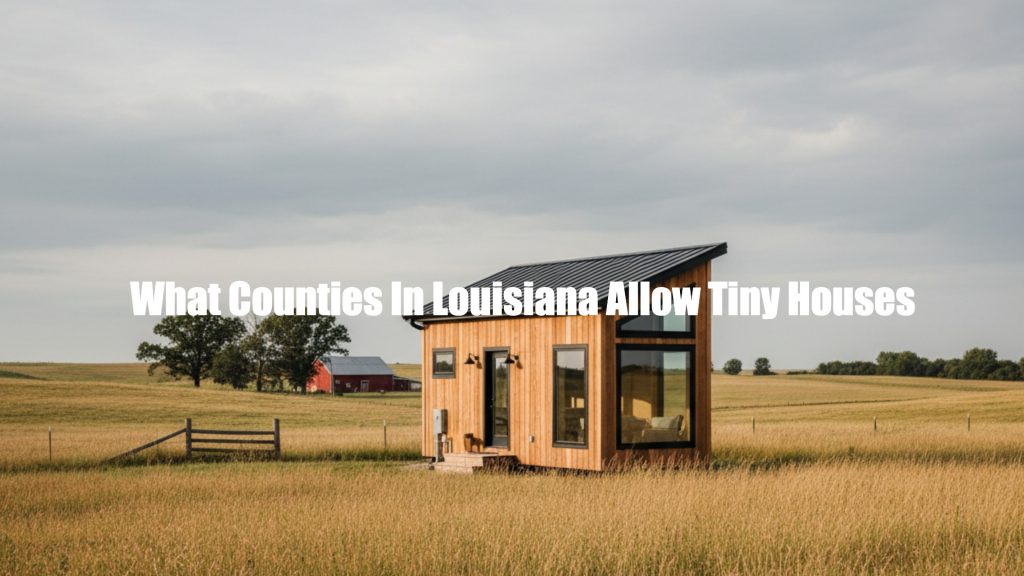
Louisiana allows tiny houses statewide, but regulations vary by parish and municipality. Most areas require compliance with International Residential Code (IRC) Appendix Q for permanent foundations or RVIA standards for mobile units. Always verify current requirements with your local zoning office before building.
Louisiana offers a unique backdrop for tiny house living, combining rich cultural heritage with increasingly supportive regulations for alternative housing. Known for its vibrant Creole culture, historic architecture, and welcoming communities, Louisiana has emerged as a tiny house-friendly state where downsizing doesn’t mean sacrificing quality of life.
The state’s approach to tiny house regulations balances innovation with safety, allowing both permanent foundation tiny homes and mobile units while ensuring compliance with established building codes. Whether you’re drawn to the bustling energy of New Orleans, the academic atmosphere of Baton Rouge, or the natural beauty of Louisiana’s bayou regions, tiny house living offers an affordable and sustainable path to homeownership in the Pelican State.
Understanding Louisiana’s specific requirements, from parish-level zoning laws to state building codes, is essential for anyone considering the transition to tiny living and buy a tiny house. This comprehensive guide covers everything you need to know about legally building, placing, and living in a tiny house throughout Louisiana.
Disclaimer: This article is for informational purposes only and does not constitute legal advice. Laws, regulations, and zoning rules vary by location and may change over time. Always consult local authorities or a qualified professional before making decisions based on this information.
Can You Make a Tiny House in Louisiana Your Main Residence?
Yes, living in a tiny house in Louisiana is possible. Like in many other states, local zoning ordinances and building codes can vary from town to town. If your project includes a tiny home built in Louisiana, research regulations in New Orleans, Baton Rouge, and Lafayette to ensure a smooth transition into tiny house living.
For those who want a taste of the tiny lifestyle before investing and making it a permanent living solution, Louisiana offers tiny house rentals that cater to different tastes. These rentals are popular on platforms like Airbnb, where they are rated for their location, cleanliness, and unique charm.
Tiny House Prices in Louisiana
Tiny house pricing in Louisiana is no different from other states, as it is affected by multiple internal and external factors, such as the type of tiny house you want to build, the tiny house layout, materials, location, local ordinances, permits, and your approach to joining the tiny house movement.
The average price for a tiny house in Pelican State is between S40,000 – $120,000
It’s important to note that these prices are just examples and may not represent the entire market.
What Counties in Louisiana Allow Tiny Houses?
Louisiana’s attractiveness for tiny house enthusiasts encompasses cultural shifts towards sustainability, supportive regulations, economic affordability, and a growing community presence. The state’s flexibility, lifestyle benefits, and the potential for customization make it an ideal location for those looking to embrace the tiny house living. Whether as a primary residence, vacation rental, or ADU, tiny homes in Louisiana offer a unique blend of practicality, comfort, and beauty.
Note: In Louisiana, instead of the word county they use parish.
Terrebonne Parish
Terrebonne Parish is a vibrant Louisiana region known for its rich culture and community spirit. The parish is home to the city of Houma, which serves as a hub for local events and activities.
Terrebonne Parish is part of the larger Bayou Cane area, known for its natural beauty and outdoor recreational opportunities. It makes Terrebonne a popular destination for those who enjoy activities like fishing, boating, and bird watching.
It is a welcoming space for tiny living as long as your tiny dwelling complies with section Q of the IRC.
Orleans Parish

Orleans Parish is witnessing a growing interest in tiny living, with communities like Burleigh Plantation leading the charge toward a more sustainable and intentional way of life. The city’s commitment to recycling and waste management aligns with the eco-friendly ethos of tiny house enthusiasts.
However, people looking to combine tiny living with short-term rentals should stay informed about the current legal and administrative landscape regarding STRs in the city.
Louisiana Tiny House Laws: Local Zoning Regulations
The avant-garde vision of Louisiana has led tiny house owners, downsizing, and sustainable living supporters to gaze at Louisiana as their destination.
Cities and counties are open and welcome this alternative and affordable housing fashion. However, whether you want to park your tiny house, build your own, or rent, check for local regulations to ensure you successfully shift from a traditional home to a downsized yet efficient space.
Check first these tiny house-friendly cities.
- New Orleans
- Baton Rouge
- Shreveport
- Lafayette
- Lake Charles
- Alexandria
Tiny House Regulations And Rules In Louisiana
Tiny houses are legal in the state, but as a general recommendation, the best practice is to consult with the local city or parish zoning office to ensure you follow all the guidelines and requirements, including your building permit.
Permanent Structure Rules
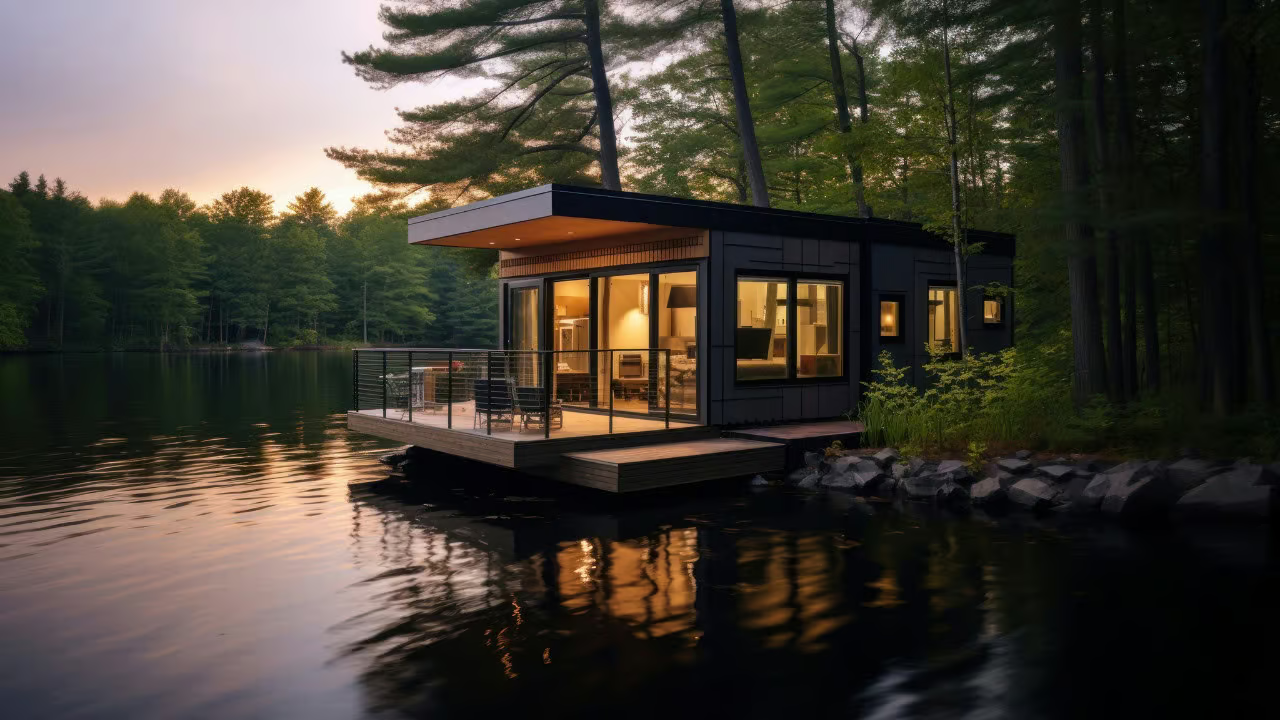
To simplify and regulate tiny living in the state of Louisiana authorities follow the International Residential Code (IRC) (Appendix Q) for tiny houses built on permanent foundations.
The fundamental elements of this code include the following.
- At least one room in the tiny house must measure 120 square feet.
- Lofts must have windows and stairs (not ladders) for emergency exits.
- Ceilings, including those in loft areas, must be elevated to a minimum of 7 feet.
- Stairs, hallways, and doors should be at least 3 feet.
- Safety regulations dictate that lofts must have windows and stairs (not ladders) for emergency exits.
Temporary Structure Rules
If your idea of tiny living goes in the direction of a mobile home, you must know in Louisiana, if you build your tiny house on wheels, it will be considered a recreational vehicle (or RV). Therefore, they abide by the standards of the Recreational Vehicle Industry Association (RVIA).
Transitional Structure Rules
Unfortunately, like in many other states, there is no clear legislation on transitional structures as a housing solution. If building a transitional home is in your plans the best approach is to consult the closest municipal official to ensure they allow tiny homes and you meet the requirements to comfortably and legally build and live on a transitional structure.
In Louisiana, Where Can I Build A Tiny House?
If you love the bayou culture and want to stay close to New Orleans, then Houma must be on your list. The water bodies, swamps, and major attractions in this place make Houme a vast and attractive land to park your RVs. It is also a great choice if you own a THOW.
On the other hand, if you are thinking about affordability, then the life-bursting New Orleans is your best choice. Remember, each tiny living project is unique, you can take the time to ensure you cover all the items on your checklist to live in a tiny home in Louisiana state.
Parish-by-Parish Breakdown
| Parish/City | Min. Sq Ft | Zoning Allowed | Key Requirements | Status |
| Orleans Parish | 120 sq ft | Residential, ADU | IRC Appendix Q compliance, building permit required | ✅ Allowed |
| Terrebonne Parish | 120 sq ft | Residential | IRC Appendix Q compliance, zoning approval | ✅ Allowed |
| Lafayette Parish | 400 sq ft | Residential, ADU | Local building codes, setback requirements | ✅ Allowed |
| Jefferson Parish | 600 sq ft | Residential | Standard building codes, no specific tiny house provisions | ⚠️ Limited |
| East Baton Rouge Parish | 500 sq ft | Residential | Building permit, safety inspections required | ✅ Allowed |
| Caddo Parish | 400 sq ft | Residential, Rural | Building permit, 9-1-1 address assignment | ✅ Allowed |
| St. Tammany Parish | 600 sq ft | Residential | Standard residential building codes | ⚠️ Limited |
| Calcasieu Parish | 400 sq ft | Residential, ADU | Local zoning compliance, utility connections | ✅ Allowed |
Note: Regulations are subject to change. Always verify current requirements with local authorities before proceeding with any tiny house project.
Major City Requirements in Louisiana
New Orleans (Orleans Parish)
New Orleans has embraced tiny house living with specific provisions for both permanent and temporary structures. The city requires:
- Building Permits: Required for all permanent tiny houses
- Zoning Compliance: Allowed in residential zones and as ADUs
- Size Requirements: Minimum 120 square feet per IRC Appendix Q
- Contact: New Orleans Department of Safety and Permits – (504) 658-7000
- Special Considerations: Post-Katrina building elevation requirements may apply
Baton Rouge (East Baton Rouge Parish)
The capital city allows tiny houses with standard residential building requirements:
- Minimum Size: 500 square feet for primary residences
- Building Codes: Must meet Louisiana State Uniform Construction Code
- Inspections: Required at multiple construction phases
- Contact: East Baton Rouge Parish Building Division – (225) 389-3040
- ADU Provisions: Allowed on lots meeting size requirements
Shreveport (Caddo Parish)
Shreveport has established clear guidelines for smaller homes and tiny houses:
- Minimum Size: 400 square feet for detached dwellings
- Permits Required: Building permit and 9-1-1 address assignment
- Zoning: Allowed in residential and rural districts
- Contact: Caddo Parish Public Works – (318) 226-6777
- Utilities: Must connect to approved water and sewer systems
Lafayette (Lafayette Parish)
Lafayette accommodates tiny houses through flexible zoning and building codes:
- Size Requirements: 400 square feet minimum for primary residence
- ADU Allowance: Permitted on qualifying residential lots
- Building Standards: Must comply with local building codes
- Contact: Lafayette Consolidated Government – (337) 291-8400
- Setbacks: Standard residential setback requirements apply
Lake Charles (Calcasieu Parish)
Lake Charles allows tiny houses with emphasis on safety and zoning compliance:
- Minimum Size: 400 square feet for detached dwellings
- Hurricane Standards: Must meet enhanced wind resistance requirements
- Utilities: Connection to municipal services required
- Contact: Calcasieu Parish Planning Department – (337) 721-3500
- Special Zones: Some areas have additional restrictions due to flood zones
Louisiana Tiny Home Communities
Santosha Village
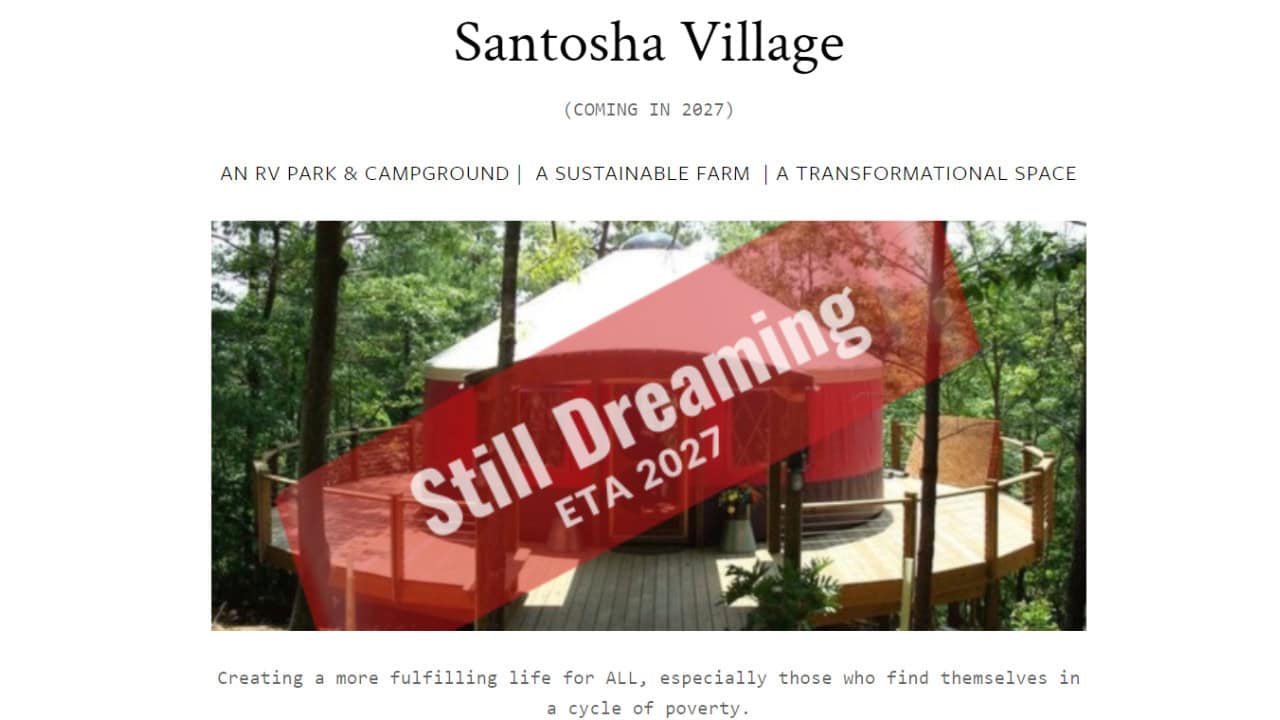
Santosha Village envisions serving as an exceptional, eco-focused community with an RV park, tiny houses, and yurts, housing approximately 40 residents. The goal is for community members to contribute with affordable, all-encompassing rent and lend a hand in preserving the village. In exchange, they will become part of a supportive, environmentally friendly community they can call home.
Burleigh Plantation
Burleigh Plantation is a tiny house community in Southern Louisiana. The community layout promotes social interaction and coziness, with each cluster of tiny houses having a central courtyard. The community offers pads for parking homes, along with gravel driveways and parking spaces. The lots are available for a monthly fee of $500, which includes water, sewer, electricity, trash, and lawn services.
The founder of Burleigh Plantation, Karen, was inspired to create the community after attending a 2016 Dallas Earth Day event that featured 10 tiny houses. Unable to find a suitable place to live in her area, she sold her house, built her own tiny house, and bought property for the community.
Burleigh Plantation follows a policy of making new members provisional members for 90 days to a year. This allows them time to adjust to the community and learn how it operates.
Tiny House Builders Near Me
Great Lakes Tiny Homes offers an array of models and provides nationwide delivery, eliminating the need to scout for local builders to find your dream home. Furthermore, Great Lakes Tiny Homes is a proud RV Industry Association (RVIA) member. This membership is a testament to their commitment to upholding elevated manufacturing standards and strict compliance with the building, safety, and regulatory guidelines for compact residences.
Do I Need a Certified Builder?
Yes, you do. You could consider a different approach, but the risks are high. Working with an RVIA-certified builder (like Great Lakes Tiny Home) assures your tiny house is built according to rules and regulations. Furthermore, it offers peace of mind because it ensures the materials used are safe, durable, and top quality.
Other advantages of working with a certified builder include easier access to financing options and insurance coverage, this is because an RVIA certifies the house complies with all the regulations that make it a safe habitable environment.
How to Build a Tiny House in Louisiana
Step 1: Research Local Requirements
Before beginning any tiny house project, contact your local parish planning department to understand specific zoning laws, building codes, and permit requirements. Requirements can vary significantly between parishes and municipalities.
Step 2: Choose Your Tiny House Type
Decide whether you want a:
- Foundation-built tiny house: Permanent structure following IRC Appendix Q
- Tiny house on wheels: Mobile unit requiring RVIA certification
- Accessory dwelling unit: Secondary structure on existing residential property
Step 3: Obtain Necessary Permits
Required permits typically include:
- Building permit
- Electrical permit
- Plumbing permit
- Mechanical permit (if applicable)
- Zoning approval or variance (if needed)
Step 4: Design and Construction
Work with RVIA-certified builders or ensure DIY construction meets all applicable codes. Key considerations include:
- Structural integrity and wind resistance
- Electrical systems meeting NEC standards
- Plumbing compliance with local codes
- Energy efficiency requirements
- Emergency egress provisions
Step 5: Inspections and Occupancy
Schedule required inspections throughout construction and obtain a certificate of occupancy before moving in. Most parishes require inspections at foundation, framing, electrical rough-in, plumbing rough-in, and final stages.
How to Verify Tiny House Rules in Your County
To ensure that your tiny house project complies with local regulations, follow these steps to verify the rules in your county:
- Check County Zoning Code: Visit your county’s official website or contact the planning department to access the zoning code. This will provide information on where tiny houses are permitted and any specific zoning designations that apply.
- Minimum Dwelling Size: Look for regulations regarding the minimum square footage required for dwellings in your area. This information is typically found in the zoning code or building regulations.
- ADU Provisions: Investigate whether your county allows Accessory Dwelling Units (ADUs) and the specific requirements for these structures. This can often be found in the zoning code or local ordinances.
- Tiny Houses on Wheels as RVs: Determine if tiny houses on wheels are classified as recreational vehicles (RVs) in your county. This classification affects where you can park and live in your tiny home.
- Planning Department Contact Verification: Finally, reach out to your local planning department directly. They can provide the most accurate and up-to-date information regarding tiny house regulations and answer any specific questions you may have.
FAQs
Can You Build Your Own Tiny Home in Louisiana?
Building your own tiny home in the state of Louisiana is possible. However, it will take careful planning and you must be mindful of local regulations. Whether you work with a contractor or take on a DIY project, understanding the costs, legal requirements, and time commitments involved is vital for success.
Always ensure compliance with building codes, zoning laws, and permit requirements to avoid any legal complications.
Does Louisiana Adhere to the International Building Code?
Yes, it does. The state of Louisiana adopted the International Residential Code (IRC) for tiny houses to ensure compliance with plumbing, mechanical, fuel gas, and electrical requirements for one- and two-family dwellings and townhouses.
The regulations for tiny houses are included in Appendix Q of the IRC.
What Is the Largest Size for a Tiny House?
It is hard to say, but between 400 and 1,000 square feet is a sage assumption, with the majority of tiny houses sitting under 400 square feet.
There are no strict rules regarding the maximum size of a tiny house unless it stands on a trailer, and yet, the size limitations are for transportation purposes. The standard height of 13.5 feet or 162 inches.
Conclusion
Louisiana’s warm embrace of the tiny house movement, combined with its rich cultural heritage, makes it an ideal destination for tiny living. However, it’s essential to understand local laws and regulations before embarking on this journey. Affordability, customization, and a supportive community are key attributes that make tiny living in Louisiana a rewarding experience, blending sustainability with a unique quality of life.
Sources and Official Resources
State and Local Government Sources
- Louisiana Office of State Fire Marshal – Building Codes
- New Orleans Department of Safety and Permits
- East Baton Rouge Parish Building Division
- Caddo Parish Public Works Department
- Lafayette Consolidated Government
- Calcasieu Parish Planning Department
Building Code Resources
- International Code Council – IRC Appendix Q
- Recreational Vehicle Industry Association (RVIA)
- NFPA 1192 – Standard on Recreational Vehicles
Additional Resources
Last updated: January 2024. Regulations may change frequently. Always verify current requirements with local authorities.