
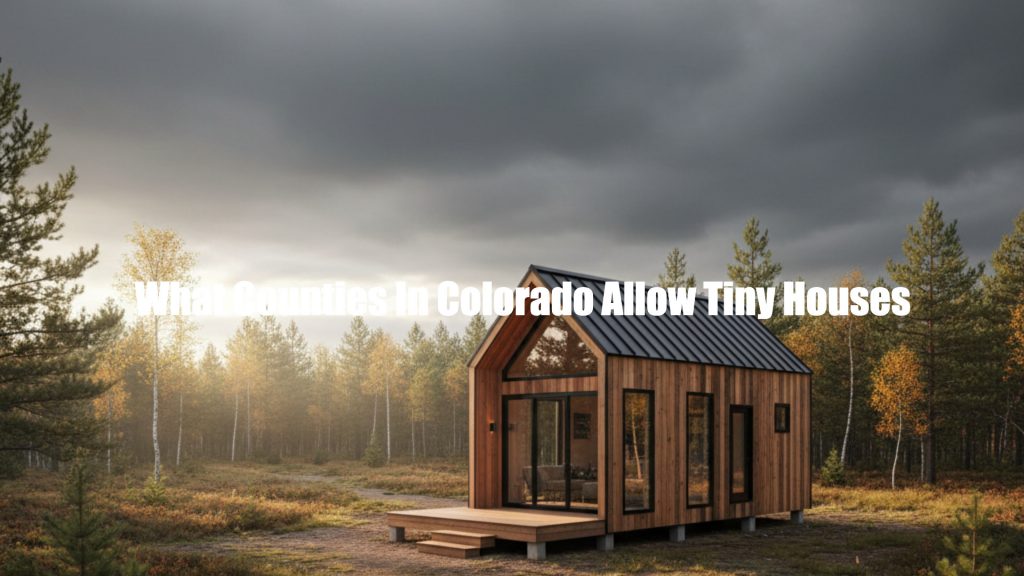
Colorado allows tiny houses as permanent residences in several counties, including El Paso County, Park County, Delta County, and Larimer County, in accordance with House Bill 22-1242, which legalized factory-built homes under 400 square feet effective July 2023. Tiny houses on wheels are generally classified as recreational vehicles and restricted to temporary use, while permanent structures require foundations and compliance with local zoning regulations. Potential owners should always consult county-specific guidelines on minimum sizes, permits, and placement to ensure full compliance and prevent any legal complications.
Colorado continues to lead in innovative housing options, with its diverse landscapes—from the towering Rocky Mountains to vibrant urban centers—appealing to tiny house enthusiasts pursuing affordable, sustainable living. Recent legislative changes have further opened doors for these compact dwellings, emphasizing cost efficiency and environmental benefits. This updated guide provides a thorough overview of counties permitting tiny houses, key regulations, and practical tips for navigating Colorado’s zoning landscape in 2024 and into 2025.
For individuals considering a tiny home in Colorado, whether nestled in peaceful mountain retreats or close to lively cities like Denver, understanding local ordinances is crucial for a successful project. Great Lakes Tiny Homes specializes in manufacturing modular, park model, and tiny homes, offering complete builds delivered across all 48 contiguous U.S. states. Our portfolio includes both wheeled and foundation-based options, with RVIA-certified park models designed to meet varying zoning needs throughout Colorado.
If you’re interested in exploring tiny home possibilities in Colorado, consider booking a consultation with our experts for personalized guidance: Book a call.
Disclaimer: This article is for informational purposes only and does not constitute legal advice. Zoning laws and regulations may vary by location and change over time. Always consult your local zoning authority or a qualified land use attorney before taking action based on this information.
What Counties in Colorado Allow Tiny Houses?
Many counties in Colorado now embrace tiny houses under specific guidelines, reflecting the state’s progressive stance on housing affordability. Regions like El Paso, Park, Delta, and Larimer Counties have incorporated policies that align with recent state laws, supporting both stationary and mobile tiny homes. Each county implements unique zoning requirements, size limits, and approval processes that prospective builders must carefully follow. Counties near urban areas often emphasize seamless integration into neighborhoods, while rural ones focus on access to essential services such as water and sewage. Beginning with in-depth research helps avoid costly mistakes and ensures smooth adherence from the initial planning stages.
The passage of House Bill 22-1242 in 2023 marked a significant advancement, establishing factory-built tiny homes up to 400 square feet as valid permanent residences across the state. This bill addressed previous ambiguities, particularly for tiny houses on wheels that were once limited to 180-day occupancies. Counties have since updated their development codes to incorporate these changes, leading to the growth of tiny home communities. However, variations persist; some areas require adherence to the International Residential Code (IRC) Appendix Q, while others include adaptations for Colorado’s variable climate, including heavy snow and high winds. Contacting county planning departments is essential for accurate, site-specific advice.
Disclaimer: As regulations evolve, verify the most current details directly with local officials.
El Paso County
El Paso County stands out as a pioneer in tiny house acceptance, treating qualifying units as full-time residences rather than temporary RVs. This approach allows for permanent occupancy after thorough inspections that ensure high construction standards. The county’s land development code permits one tiny house per residential lot, provided it meets size, foundation, and setback requirements. Growing demand around Colorado Springs has streamlined approvals for prefabricated units, supporting the region’s population growth. Residents must also secure utilities, either by connecting to municipal systems or installing private ones in remote areas.
Building on the framework of House Bill 22-1242, these rules have removed previous time limits on stays, enabling long-term living solutions. Tiny homes here typically range from 120 to 400 square feet and incorporate energy-efficient features to handle the area’s elevation-driven temperature fluctuations. County planners recommend early consultation with the planning office to navigate setbacks and subdivision rules effectively. This proactive step promotes the harmonious integration of tiny houses into established residential areas.
Park County
Park County’s expansive rural landscapes offer attractive opportunities for tiny house owners, balanced by strict standards to preserve the area’s natural beauty. State reforms have simplified the process for permanent installations, though challenges like higher construction costs and remoteness affect infrastructure such as roads and power access. Tiny homes must meet minimum size requirements and fit within rural zoning categories, often necessitating evaluations for off-grid systems. Partnering with local sustainability groups can provide valuable support for applicants.
It’s important to consult the planning department to confirm permissions for specific parcels, as some zones limit additional structures. Park County’s emphasis on self-sufficiency encourages features like solar power and alternative waste systems, ideal for its challenging terrain. While supportive of the tiny home movement, the county requires detailed site assessments that account for wildfire risks and wildlife corridors. This comprehensive review ensures long-term viability in one of Colorado’s most scenic regions.
Delta County
Delta County integrates tiny houses into its zoning framework, allowing them as primary or accessory dwellings in agricultural and residential zones. A 2021 code update officially recognized tiny homes, promoting affordable options in this western Colorado area known for its orchards and outdoor activities. Permanent structures start at 200 square feet, with flexibility for accessory units on larger properties. Builders need agricultural permits and utility connections, often relying on private wells and septic systems in rural settings.
The county’s approach balances growth with preservation, enforcing state building codes to protect residents. Tiny homes thrive in eco-friendly communities here, where features like rainwater harvesting are standard. Officials highlight the importance of environmental reviews, particularly near water bodies. This framework supports Delta’s dedication to low-impact, sustainable housing development.
Tiny House Regulations And Rules In Colorado
Tiny house regulations in Colorado vary significantly between counties and municipalities, creating a diverse landscape of opportunities and constraints. While state-level efforts toward standardization have advanced, local zoning often dictates feasibility, covering aspects from minimum square footage to utility mandates. Urban areas may prioritize density and aesthetic compatibility, whereas rural zones stress environmental harmony and resource protection. Navigating these nuances is key to avoiding violations that could lead to fines or relocation orders. Choosing locations where tiny homes align with broader community goals, such as affordable housing initiatives, is advisable.
At the state level, IRC Appendix Q provides baseline standards for tiny homes under 400 square feet, focusing on structural integrity, accessibility, and utilities. Local adaptations address Colorado’s seismic activity and heavy snowfall in certain regions. Mobile tiny houses face additional hurdles, often regulated as RVs that prohibit full-time living. Permanent foundations expand options but require extensive permitting. This dual system encourages adaptable designs that can transition from mobile to fixed based on location needs.
Disclaimer: For tailored advice on your property, contact local zoning offices, as changes may occur after publication.
Permanent Structure Rules
Since July 1, 2023, House Bill 22-1242 has enabled factory-built homes of 400 square feet or less to be recognized as permanent residences in Colorado municipalities. The law establishes uniform standards for construction, foundations, and safety features, allowing counties like Larimer to eliminate former 180-day limits. Applicants must obtain building permits that comply with zoning and use codes, often including detailed plans and engineering reports. Cities such as Durango, Leadville, Lyons, and Woodland Park have embraced these updates, accelerating approvals for compliant designs. The focus remains on habitability across Colorado’s varied climates, from arid plains to alpine elevations.
Approval processes typically involve inspections of electrical, plumbing, and structural elements at key stages. Foundations must be permanent, using concrete slabs or piers, to qualify as residential structures. This setup differentiates tiny homes from RVs, offering benefits like property tax treatment and financing eligibility. Permanent builds often include smart home systems for efficiency, meeting energy codes. Working with IRC Appendix Q-certified architects can expedite approvals and enhance durability.
Temporary Structure Rules
Tiny houses on wheels provide mobility and lower initial costs, appealing to those without land ownership in Colorado. Classified as RVs, they avoid some building codes but are subject to occupancy limits that prevent year-round living. RVIA certification is standard, verifying compliance with ANSI safety standards. Inspections and documentation cover elements like propane systems and holding tanks. In practice, these units are ideal for seasonal use, such as retreats in mountainous counties.
Placement options include RV parks or approved private properties, though urban ordinances may cap stays at 180 days. Colorado’s rugged terrain requires robust chassis and insulation for travel and short-term setups. While saving on foundation expenses, THOWs complicate insurance and utilities, relying on generators or hookups. This category suits adventurers testing Colorado living before committing. Converting to permanent use involves removing wheels and obtaining foundation permits.
Transitional Structure Rules
Transitional tiny homes combine mobility and permanence, with detachable foundations allowing occasional relocation. These designs offer flexibility for changing circumstances while satisfying residential standards in many counties. Without statewide guidelines, local inspectors evaluate based on IRC criteria and site suitability. Common in areas with fluctuating job markets, they use modular components certified for reconfiguration. Owners benefit from phased permitting, starting with temporary approvals.
Early discussions with municipal planners clarify disassembly procedures and re-inspection requirements. These homes often feature modular utilities for easy service transitions. In Colorado’s dynamic housing market, they allow trial periods in potential locations. Structural assessments ensure stability during moves, preventing code violations. This hybrid model expands access for those experimenting with minimalism before full commitment.
County-by-County Breakdown
| County/City | Min. Sq Ft | Zoning Allowed | Key Requirements | Source | Last Verified |
| El Paso County | 120 sq ft | Residential zones | Building permit required, permanent foundation, inspections | El Paso County Land Development Code Resolution | Oct 2024 |
| Park County | 400 sq ft | Rural residential | Septic system, well water, setback requirements | Park County FAQ on Mobile Homes and Residences | Oct 2024 |
| Delta County | 200 sq ft | Agricultural zones | Agricultural use permit, utilities connection | Delta County Planning FAQs | Oct 2024 |
| Larimer County | 300 sq ft | Limited zones | Special use permit, 180-day limit removed | Larimer County Tiny Houses Guide | Oct 2024 |
Disclaimer: The information in this table is for illustrative purposes; always verify with county offices for the latest updates.
In Colorado Where Can I Build A Tiny House?
Building sites for tiny houses in Colorado span urban initiatives to remote rural retreats, with even educational programs constructing models to address housing shortages. Projects in Denver, such as tiny home villages, demonstrate city support for innovative solutions. The Western Slope, with its hot springs and natural beauty, sees increasing demand for tiny lodging that blends recreation and residency. Compliance with the state’s Building Codes and Standards division ensures adherence to uniform protocols. These diverse locations underscore Colorado’s adaptability for small-scale living.
Initiatives like FutureForward engage students in hands-on tiny home construction, building skills for sustainable careers. Rural areas on the Western Slope provide ample land for off-grid builds, subject to environmental permits. Urban developments target underutilized spaces, incorporating tiny homes as accessory units. This range allows builders to match sites with personal preferences, from city convenience to wilderness seclusion. Initial zoning checks help align visions with practical realities.
Major Colorado Cities Tiny House Requirements
Denver
Contact: Denver Community Planning & Development – (720) 865-2915
In Denver, fixed tiny homes are treated as single-family residences, requiring standard building permits and zoning compliance. Mobile versions need additional permits and placement in designated mobile home areas or developments. The city promotes tiny house villages for affordable housing, allowing accessory dwelling units (ADUs) throughout to increase density. Recent code updates have reduced barriers for builds under 400 square feet, supporting sustainable urban growth. Utilities must connect to city infrastructure, with incentives available for energy-efficient designs.
Builders should review the Denver Zoning Code for details on setbacks and height limits. Community planning emphasizes integration to minimize visual impacts. This framework advances Denver’s goals for equitable housing amid rising costs. Pre-application meetings with the planning department offer detailed assistance.
Colorado Springs (El Paso County)
Contact: Colorado Springs Planning Department – (719) 385-5905
Aligning with El Paso County standards, Colorado Springs permits tiny houses via appropriate permits and inspections, bolstered by House Bill 22-1242. ADUs are permitted in all zones, including standalone units under 400 square feet on permanent foundations. The city supports prefabricated tiny homes as additions, provided they include fire-resistant materials in interface zones. Permitting involves the Pikes Peak Regional Building Department for structural reviews. These policies fuel the local tiny home boom.
Owners manage parking and access, without minimum lot sizes for ADUs. The approval process includes notifications to neighbors for larger projects. Colorado Springs’ affordability efforts integrate tiny homes into suburban landscapes. Contacting the department clarifies property-specific variances.
Fort Collins (Larimer County)
Contact: Fort Collins Planning Services – (970) 221-6750
Fort Collins adheres to Larimer County’s guidelines, supporting permanent tiny house living post-HB 22-1242. Compliance with IRC standards is required for foundation-built units, including insulation for cold winters. Tiny homes can serve as ADUs in residential zones, with special permits for standalone structures. The city encourages designs that enhance aesthetics and sustainability. Building permits cover electrical and plumbing inspections.
Zoning prioritizes compatibility, limiting heights to blend with surroundings. Fort Collins’ development review incorporates public input for community fit. This structured approach ensures tiny homes contribute to housing diversity. The department provides checklists to streamline applications.
Durango (La Plata County)
Contact: Durango Planning Department – (970) 375-4850
Durango supports tiny house communities like Hermosa Orchards Village, allowing units under 400 square feet in residential zones through permitting. ADUs have been permitted since 2014, with updated rules addressing housing demand. Tiny homes must meet codes for seismic and snow loads common in the San Juan Mountains. The city recognizes exemplary designs through awards, promoting quality construction. Utilities connect to public or private systems.
Planning focuses on infill development to preserve open spaces. Durango’s ADU program guides conversions and new builds. This supportive environment fosters vibrant tiny neighborhoods. Units may qualify for recognition programs.
Boulder (Boulder County)
Contact: Boulder Planning & Development Services – (303) 441-1880
Boulder mandates that tiny houses comply with residential building codes, permitting ADUs in most zones as attached or detached units. Ordinance 8571 streamlines ADU processes, easing restrictions for under-400-square-foot structures. Designs must incorporate green features like passive solar, aligning with city sustainability goals. Permitting requires site plans addressing drainage and viewsheds. Tiny homes help expand Boulder’s affordable housing stock.
Zoning prohibits short-term rentals for ADUs to encourage long-term residency. The planning guide outlines submission requirements. Boulder’s equity initiatives ensure tiny homes serve diverse needs. Consultations help navigate code updates.
How to Legally Build a Tiny House in Colorado
Step 1: Research Local Zoning Laws
Start by contacting your county planning office to understand zoning specifics, including size minimums and permitted districts. Colorado’s decentralized system leads to wide variations, from urban density bonuses to rural lot size minimums. Review use tables online or in person to identify suitable parcels. This step uncovers details like floodplains or historic overlays. Early inquiries save time and reveal incentives for eco-friendly builds.
Engage stakeholders such as neighbors or HOAs if applicable, as some require approvals. County online tools facilitate zoning lookups. This foundational work aligns projects with community standards from the outset.
Step 2: Choose Your Tiny House Type
- Foundation-built: Permanent structures following IRC guidelines, ideal for residential zoning.
- RVIA-certified THOW: Meets RV standards for temporary or transitional use in parks.
- Park model: Prefabricated for communities, typically under 400 sq ft with certification.
The choice depends on long-term goals and site constraints, with foundation types suiting permanent plans. THOWs offer affordability but limit locations. Park models balance portability and compliance. Consider climate adaptations like insulation for Colorado winters. Professional advice refines options to fit zoning.
Step 3: Obtain Required Permits
Permanent tiny houses require building permits with detailed plans and specifications, while temporary ones may need RV or special use approvals. Submit comprehensive drawings to local agencies like Pikes Peak for review. Fees vary by project size, often ranging from $500 to $2,000 initially. Processing times span 4-12 weeks depending on complexity. Track applications via online portals for status updates.
Address any variances if designs deviate from codes. Permits ensure safety and insurability. This bureaucratic step protects investments long-term.
Step 4: Meet Utility Requirements
Secure access to water, sewage, and electricity, with rural areas needing wells, septic systems, and solar setups. Colorado’s arid conditions demand water-efficient solutions compliant with health codes. Costs escalate for off-grid options, but rebates can offset expenses. Coordinate with providers early for feasibility assessments. Integrated plans minimize disruptions.
Utilities influence zoning approvals, proving self-sufficiency. Engineering experts validate setups. This essential infrastructure supports daily living seamlessly.
Step 5: Schedule Inspections
Post-construction, inspections verify electrical, plumbing, and structural compliance before occupancy. Schedule in sequence: foundation, framing, rough-in, and final. County inspectors conduct on-site reviews, issuing certificates upon passing. Address corrections promptly to avoid delays. Documentation supports future sales or refinancing.
Preparation through code adherence is key. Inspections maintain quality, preventing hazards. Final approval grants legal residency.
Colorado Tiny House Communities
Colorado’s tiny house communities provide ready-made settings for shared living amid stunning natural surroundings. These developments offer shared amenities like trails and lots, easing the transition to compact lifestyles. Community zoning allows denser arrangements, fostering connections. Exploring options reveals matches for preferences, from riverside calm to mountain vistas. For details on top Colorado tiny communities, visit Best Tiny Home Communities in Colorado.
Hermosa Orchards Village
Hermosa Orchards Village spans seven acres in Durango’s Animas Valley, featuring 22 sites for tiny houses and park models under 400 square feet. Leased lots range from 3,600 to over 6,000 square feet, including patios, gardens, and storage. The community emphasizes outdoor living and social interaction, ideal for nature lovers. Amenities include river access and communal spaces, enhancing daily life. This setup promotes eco-conscious practices in a picturesque setting.
Residents enjoy proximity to Durango while maintaining privacy. The design favors low-impact materials, with guidelines for construction. Management assists with utility installations. It exemplifies balanced tiny living in Colorado.
Peak View Park
Peak View Park in Woodland Park lies under Pikes Peak, accommodating long-term RV and park model stays with constant mountain views. Designed for extended residencies, it offers outdoor activities and easy access to Colorado Springs. Sites support wheeled tiny homes or park models with full utility hookups. The serene atmosphere appeals to retirees and adventurers. Nearby medical facilities add convenience.
Activities include hiking trails and stargazing, leveraging the elevation. Rules ensure quiet, respectful community use. This park represents accessible tiny living in the Rockies.
Tiny House Prices in Colorado
Tiny house prices in Colorado fluctuate based on location, regulations, and features, mirroring the state’s geographic diversity. Sizes from 100 to 400 square feet influence material and labor costs. Foundation versus wheeled configurations affect pricing: permanent adds foundation expenses but enables residency, while mobile reduces upfront costs with site flexibility. RVIA certification increases costs for compliant park models but simplifies community zoning. Utility connections, crucial in remote areas, can double budgets through septic and well installations. Local codes may require extras like snow-load reinforcements, elevating standards in mountainous regions.
Expect $50,000 to $150,000 for turnkey builds, depending on customizations and finishes. Proximity to cities raises land prices, while rural spots save on property but add transport fees. Financing options expand for certified, home-like structures. Ongoing costs include taxes—none for THOWs but applicable for fixed homes. Market trends show rising demand, stabilizing prices amid shortages. Comparing quotes from builders aligns value with needs.
For available Colorado tiny houses, explore Tiny House For Sale Colorado.
Great Lakes Tiny Homes Pricing
Great Lakes Tiny Homes offers complete builds from $100,000 to $150,000, covering design, construction, and delivery to Colorado sites. This range includes customizations for local codes, without hidden fees. Full-service support encompasses site evaluations and permitting assistance, benefiting buyers. Remote deliveries factor in logistics, with on-site assembly options. These investments deliver durable, climate-adapted homes for Colorado conditions.
Upgrades like appliances or solar integration incorporate seamlessly. Transparent pricing avoids surprises, prioritizing craftsmanship. Customers appreciate post-installation warranties.
Great Lakes Tiny Homes Model Options
- Modular Homes: Factory-assembled for quick foundation installation, perfect for permanent zoning. Modular Homes
- A-Frame: Iconic design maximizing space with sloped roofs, versatile for slopes. A-Frame
- Cabin: Rustic appeal with wood exteriors, suited for rural Colorado aesthetics. Cabin
- Park Models: RVIA-certified under 400 sq ft, for communities and temporary use. Park Models
- Tiny House on Wheels: Mobile for flexibility, RV-classified but upgradable to foundations. Tiny House on Wheels
Model selection impacts zoning compatibility; modular excels in residential areas, THOWs in RV spots. Consider site factors—cabins handle snow, A-frames offer views. Certification aids financing and resale. For Colorado builders, see Tiny House Builder Colorado.
Zoning influences model choices, with permanent unlocking more sites but requiring permits. If your zoning aligns with your goals, connect with Great Lakes Tiny Homes experts: Book a call
Tiny House Builders Near Me
Colorado’s allure of outdoor adventures and mountain scenery attracts tiny home seekers to urban, rural, community, or ski-area sites. Great Lakes Tiny Homes, a leading Colorado tiny home builder, supports placements in cities, countryside, communities, or near resorts. Nationwide delivery eliminates the need for local searches. As RVIA-certified, we adhere to rigorous factory standards for safety and code compliance. This commitment ensures resilience against Colorado’s elements.
Varied designs cater to preferences, from modern lofts to cozy cabins. Delivery includes professional setup, reducing on-site hassles. For local builders, visit Tiny House Builder Colorado.
Do I Need a Certified Builder?
Opting for a certified builder mitigates DIY risks, which can lead to inconsistent results. An RVIA-certified partner like Great Lakes Tiny Homes guarantees code adherence, safe, and durable construction. High-quality materials extend lifespan, providing peace of mind in Colorado’s harsh conditions. Certification simplifies insurance, financing, and proof of habitability.
Beyond compliance, certified experts offer local adaptations, such as high-altitude insulation. Warranties cover defects, simplifying maintenance. This professional route secures a worthwhile investment. Collaboration ensures zoning and lifestyle alignment.

How to Verify Tiny House Rules in Your County
Verifying tiny house regulations requires direct confirmation from local authorities, given variations across jurisdictions. Follow these steps to confirm county permissions and requirements. This approach delivers precise, current information tailored to your property.
- Review the County Zoning Code: Begin on the county website or planning portal. Search for the zoning ordinance or land use code, which outlines permitted structures in districts. Look for residential, agricultural, or rural zones mentioning tiny homes or ADUs.
- Check Minimum Dwelling Size Requirements: Examine the code for square footage mandates on habitable spaces. Counties often align with the state’s 400 sq ft cap, but locals range from 120-300 sq ft. Note exemptions for ADUs or prefabricated units.
- Investigate ADU Provisions: Determine if tiny homes qualify as Accessory Dwelling Units. Review rules on lot coverage, setbacks, and attached/detached options. Some permit one per primary residence, with height and size limits.
- Assess Treatment of Tiny Houses on Wheels (THOWs): See if THOWs fall under RV regulations rather than permanent. This limits them to temporary use (e.g., 180 days) in parks or on private land without foundations. Verify RVIA certification for compliance.
- Contact the Local Planning Department: Email or call the county planning/zoning office for personalized guidance. Provide your property address or parcel number for site-specific advice. They can explain variances, permits, and recent changes—document responses in writing.
This process avoids surprises and builds confidence. Remember, rules can change, so check periodically.
Tiny House FAQs
Important Note: The responses in this FAQ section provide general overviews of tiny house rules in Colorado counties based on current state and local guidelines. Individual circumstances may vary, so verify specifics with your county planning department for accurate application to your situation.
Which counties in Colorado allow tiny houses as permanent residences?
Colorado permits tiny houses as permanent residences in counties such as El Paso County, Park County, Delta County, and Larimer County, aligning with House Bill 22-1242 that legalized factory-built homes under 400 square feet starting July 2023. These areas have updated their zoning laws to accommodate fixed tiny homes on foundations, while ensuring compliance with local minimum size, permit, and utility requirements. Always check with the specific county’s planning office, as rules can differ even within supportive regions.
What are the key differences between tiny houses on wheels and permanent tiny houses in Colorado?
Tiny houses on wheels are generally classified as recreational vehicles (RVs) in Colorado and restricted to temporary occupancy, often limited to 180 days per year without permanent foundations. In contrast, permanent tiny houses must be installed on a foundation to qualify as full residences, adhering to International Residential Code (IRC) Appendix Q standards and local zoning for indefinite living. This distinction affects placement options, with wheeled models suited for RV parks and permanent ones integrated into residential lots across counties like El Paso and Park.
Do I need permits to build or place a tiny house in Colorado?
Yes, permits are typically required for tiny houses in Colorado, varying by county and whether the structure is permanent or temporary. Permanent installations need building permits, zoning approvals, and inspections to meet safety and utility standards, especially under House Bill 22-1242 for units up to 400 square feet. Prospective owners should contact local authorities in counties like Delta or Larimer early in the process to outline necessary documentation and avoid compliance issues.
Can a tiny house serve as my primary residence in Colorado?
Yes, tiny houses can serve as primary residences in supportive Colorado counties like El Paso, Park, Delta, and Larimer, provided they meet permanent structure criteria such as foundations and IRC compliance following the 2023 legislation. However, wheeled versions are usually limited to secondary or temporary use. Confirm with local zoning offices to ensure your setup qualifies for full-time occupancy and addresses any site-specific restrictions on utilities and setbacks.
Do Tiny Houses Pay Taxes in Colorado?
Tiny house owners in Colorado generally avoid property taxes for units and RVs that lack traditional home classifications. However, wheeled models may incur vehicle registration fees if titled as such. Fixed structures on foundations are subject to standard property valuations and assessments based on location. Consult county assessors for exemptions or calculation details.
Can You Make a Tiny House in Colorado Your Main Residence?
Yes, following House Bill 22-1242 effective July 2023, factory-built units under 400 square feet can serve as permanent homes. This legislation empowers cities and counties to establish pathways for long-term tiny living. Previously, around 3,000 units faced uncertainty with 180-day restrictions. House Bill 22-1242 resolves this, though local zoning applies. For tiny home options, explore tiny homes.
Can I Build a Tiny House in Denver in My Backyard?
Yes, non-wheeled tiny homes qualify as single-family dwellings, requiring building permits in Denver. Wheeled units need supplemental approvals in mobile zones or developments. ADUs are allowed citywide, facilitating backyard placements. Review zoning for setbacks and utilities. Disclaimer: Confirm with Denver planning for the latest rules.
What Are the Minimum Size Requirements for Tiny Houses in Colorado?
The state defines tiny homes as under 400 square feet per HB 22-1242, with county minimums like El Paso’s 120 sq ft. IRC Appendix Q requires at least 70 sq ft for bedrooms. Zoning varies, allowing smaller in rural areas if permitted. Always consult local land use codes. This flexibility supports diverse designs.
Where Can I Place a Tiny House on Wheels in Colorado?
THOWs, treated as RVs, can be placed in parks, approved lots, or temporary zones, but not for permanent residency without conversion. Limits often apply, such as 180 days outside RV parks. Sites like Peak View Park allow extended stays. Zoning restricts standalone long-term use. For communities, check Best Tiny Home Communities in Colorado.
What Permits and Utilities Are Needed for a Tiny House in Colorado?
Permits include building for permanent, RV for wheeled, plus zoning approvals. Utilities require connections or off-grid approvals like wells and septics. Costs vary by site, with inspections mandatory. Rural areas need health department sign-offs. Professional guidance navigates complexities.
Conclusion
Tiny homes present an appealing path to simplified, affordable living in Colorado’s inspiring landscapes, from urban enclaves to remote peaks. Success, however, hinges on mastering the regulatory maze, including zoning variances and code compliance. Thorough research and expert advice pave the way for compliant, fulfilling projects. Embracing these steps ensures enduring homes that match your vision.
For professional insights on Colorado tiny home projects, book with Great Lakes Tiny Homes: Book a call